Speak to one of our Camping & Outdoor experts. Call us on 02 888 10 333 or chat with us Mon - Fri 9 am to 5:30 pm AEDT.

Questions? Call 02 888 10 333 Mon-Fri 9-5:30pm AEDT.

🔥 Go All-Out on Savings with 25% OFF Everything!

ALLOUT25

Control Box

View as

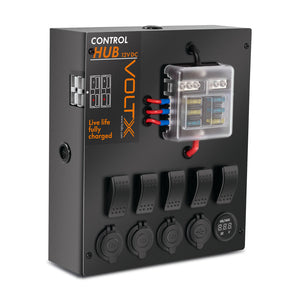
  • VoltX 12V Control Box 2 USB LED Lights Portable Inbuilt Voltmeter Caravan
    25% OFF

    VoltX 12V Control Box 2 USB LED Lights Portable Inbuilt Voltmeter Caravan

    Was $249.00 Now $186.75
     
  • VoltX 12V Control Box LED Lights Portable Inbuilt Voltmeter Caravan
    25% OFF

    VoltX 12V Control Box LED Lights Portable Inbuilt Voltmeter Caravan

    Was $399.00 Now $299.25
    Low stock
  • VoltX 5pc 15A Fuse 12V
    25% OFF

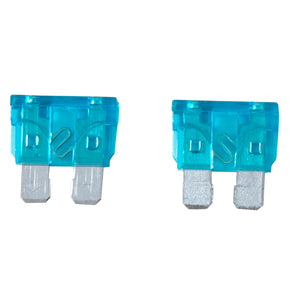
    VoltX 5pc 15A Fuse 12V

    Was $19.99 Now $14.99
     
  • VoltX 5pc 20A Fuse 12V
    25% OFF

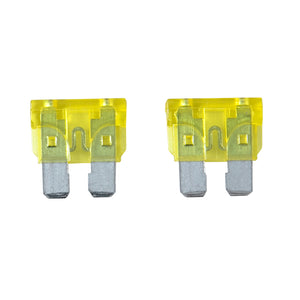
    VoltX 5pc 20A Fuse 12V

    Was $19.99 Now $14.99
     
  • VoltX 3-Pin 50A Anderson Plug
    25% OFF

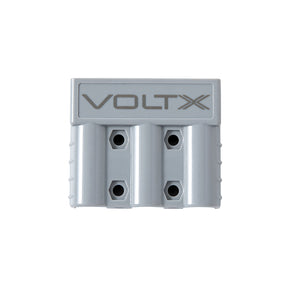
    VoltX 3-Pin 50A Anderson Plug

    Was $20.99 Now $15.74
     

Frequently Asked Questions

  • Can a UPS be used as a generator?

    While both provide backup power, a UPS and a generator serve different purposes. A UPS delivers instant, short-term power designed to protect electronics during outages and allow safe shutdown procedures, typically running for 15-30 minutes depending on load. Generators provide extended power for hours or days but take time to start up. Some larger UPS systems with LiFePO4 batteries can serve as a reliable alternative to small camping generators for shorter periods, offering silent, fume-free operation that's perfect for overnight use or noise-restricted areas.

  • What is the difference between a power bank and a power station?

    Power banks are compact, portable devices designed specifically for charging small electronics like phones and tablets via USB, typically ranging from 5,000 to 20,000mAh capacity. Power stations are substantially larger units with capacities measured in watt-hours, featuring multiple output types including 12V sockets, USB ports, and often 240V AC outlets through built-in inverters. While a power bank fits in your pocket for daily carry, a power station can run everything from portable fridges to power tools, making it essential for camping or emergency backup applications.

  • How do I know what size inverter I need?

    Determining correct inverter size requires checking the wattage requirements of all appliances you plan to run, which you'll find on their specification labels. Add up the total wattage of devices you'll use simultaneously, then select an inverter with a continuous power rating at least 20% higher than this total to ensure reliable operation. Remember that some appliances have surge requirements when starting up that can be 2-3 times their running wattage, particularly items with motors like fridges or power tools.

  • Are there battery powered generators?

    Yes, battery powered generators – more commonly called portable power stations – use large internal lithium-ion or LiFePO4 batteries combined with inverters to provide AC power output. These units offer silent, emission-free operation that's perfect for camping, indoor use, or noise-sensitive environments. Unlike traditional petrol generators, they require no fuel, produce no fumes, and can be safely used inside tents or vehicles, though they typically offer shorter runtimes and require access to mains power or solar panels for recharging.

  • What is a hybrid solar inverter?

    A hybrid solar inverter serves as the intelligent heart of modern solar power systems, managing energy flow between solar panels, battery storage, and the electrical grid. This all-in-one device can simultaneously convert DC solar power to AC for home use, charge battery banks for night-time operation, and seamlessly switch to grid power when needed. During outages, it automatically disconnects from the grid and powers your home from batteries, maximising energy independence while ensuring you always have reliable power regardless of weather or grid conditions.

  • Do I need a fuse for my 12V setup?

    Absolutely – fuses are non-negotiable safety components in any 12V electrical system. These inexpensive devices protect your valuable equipment from costly damage and prevent potentially catastrophic electrical fires by automatically breaking the circuit if current exceeds safe levels due to shorts or equipment failure. Always use appropriately rated fuses for each circuit (never exceed manufacturer specifications), position them as close to the battery as possible, and carry spares for quick replacement when needed.

  • What can a 1000W inverter power?

    A 1000W (1KW) pure sine wave inverter comfortably handles most small to medium household appliances and electronics. You can reliably run laptops (50-100W), LED TVs up to 50" (80-150W), small bar fridges (100-200W), power tools like drills or sanders (300-800W), and multiple device chargers simultaneously. However, always verify actual power consumption on appliance labels and remember that some devices require surge capacity during startup, so avoid running multiple high-draw items simultaneously to prevent overload.

  • How can I get power while camping off-grid?

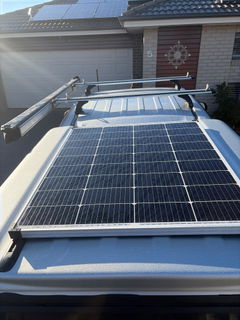
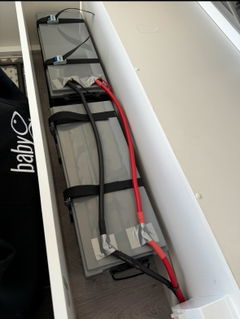
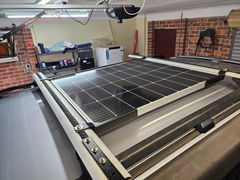
    Off-grid camping power typically centres on a deep cycle battery system paired with either a 12V control box or portable power station for distribution. Charge your battery while driving using a DC-DC charger that optimises power transfer from your vehicle's alternator, or deploy portable solar panels for sustainable charging at camp. This setup powers essential items like LED lights, portable fridges, and device chargers for days without mains access, with capacity depending on your battery size and consumption patterns – most campers find a 100-120Ah battery sufficient for weekend trips.

VERIFIED CUSTOMERS RECOMMEND US