Speak to one of our Camping & Outdoor experts. Call us on 02 888 10 333 or chat with us Mon - Fri 9 am to 5:30 pm AEDT.

Questions? Call 02 888 10 333 Mon-Fri 9-5:30pm AEDT.

⚡ Grab 20% off all generators from Feb 3 to 6 at Outbax!

Ends in:
00 Days
00 Hours
00 Minutes
00 Seconds
FUEL20

VoltX Inverter Generators

View as

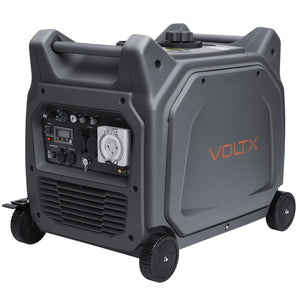
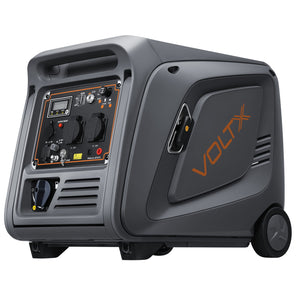
  • VoltX VX3850 Pro 2-Wire Inverter Generator
    20% OFF

    VoltX VX3850 Pro 2-Wire Inverter Generator

    Was $2,199.00 Now $1,759.20
     
  • VoltX VX6600 2-Wire Inverter Generator
    20% OFF

    VoltX VX6600 2-Wire Inverter Generator

    Was $2,999.00 Now $2,399.20


Frequently Asked Questions

  • How do inverter generators work?

    The generator's engine produces alternating current (AC) electricity, which is then converted to direct current (DC) through a rectifier. An inverter module then transforms this DC power back into clean AC power with a pure sine wave output, ensuring consistent voltage and frequency that matches standard household electricity quality.

  • What are the main benefits of using an inverter generator?

    Key advantages include clean power output safe for electronics, exceptional fuel efficiency through variable engine speed, quiet operation often below 65 dBA, lightweight portable design, and the ability to link units together for increased power output when needed, such as the Gentrax GTX3500 Inverter Generator.

  • What is the difference between an inverter generator and a conventional generator?

    Conventional generators produce raw, fluctuating power directly from the engine at a constant speed, whilst inverter generators use electronic circuitry to deliver stable, pure sine wave electricity. This results in cleaner power, better fuel efficiency, quieter operation, and safer use with sensitive electronics.

  • Are inverter generators safe to use with sensitive electronics like laptops and TVs?

    Yes, inverter generators are specifically designed for sensitive electronics. Their pure sine wave output with low total harmonic distortion (typically under 3-5%) provides the same quality power as household outlets, protecting your devices from damage caused by power fluctuations, such as the Gentrax GT2000 Inverter Generator.

  • How quiet are inverter generators typically?

    Most quality inverter generators operate between 51-65 dBA at normal loads, comparable to normal conversation levels. This quiet operation is achieved through variable engine speed technology and sound-dampening enclosures, making them suitable for camping and residential areas.

  • What size inverter generator do I need for my caravan or camping setup?

    For basic camping needs (lights, small fridge, device charging), a 1,000- 2,000-watt unit typically suffices. Caravans with air conditioning usually require 2,800-3,500 watts or more. Calculate your needs by adding up the running watts of all devices you'll use simultaneously, plus a 20% safety margin.

  • Can I connect two inverter generators together for more power?

    Yes, many inverter generators feature parallel capability, allowing you to connect two identical units to double your power output. This provides flexibility to use one generator for lighter loads or both when extra power is needed, though you'll need a parallel kit designed for your specific model.

  • What kind of maintenance does an inverter generator require?

    Regular maintenance includes checking and changing oil according to manufacturer schedules (typically every 50-100 hours), cleaning or replacing air filters, inspecting and replacing spark plugs annually, and running the generator monthly to prevent fuel system issues. Proper maintenance ensures reliability and longevity.

  • How much fuel does an inverter generator use compared to older types?

    Inverter generators typically use 20-40% less fuel than conventional generators. This can mean running times of 8-12 hours on a single tank at 25-50% load, compared to 5-6 hours for traditional generators.

  • Is it safe to run an inverter generator in the rain?

    Most inverter generators aren't designed for wet-weather operation unless specifically rated as weather-resistant. If you must use one during rain, position it under a specially designed generator tent or canopy that protects whilst maintaining proper ventilation, keeping it on a dry, level surface.

  • Where should I store my inverter generator when not in use?

    Store your generator in a cool, dry location away from living areas, preferably in a shed or garage with good ventilation. Run it dry or use a fuel stabiliser if storing it for extended periods, and never store it with fuel inside your home due to fire hazards and vapour risks.

  • Where can I find your Generator Buying Guide?

    You can find our comprehensive guide here: Generator Buying Guide.

VERIFIED CUSTOMERS RECOMMEND US